Researchers at CEED conduct applied research using a strengths-based equity impact framework that examines young Black children’s positive growth and development within education, health, and community settings to promote the thriving and academic success of Black children and their families.
This project aims to critically examine the impact of implicit and explicit racism on children’s development and learning, including how various forms of racism at both the individual-interpersonal and cultural-structural levels limit racially marginalized families’ and children’s optimal development and their ability to thrive.
Through various dissemination efforts and engagement, the project seeks to:
(1) raise awareness about the effects of various forms of racism on the developmental experiences and outcomes of young children, prenatal through early childhood (prenatal through age 5);
(2) highlight the cultural wealth of racially marginalized communities, families, and children in response to oppressive systems;
(3) describe the social determinants of health and development (e.g., social, emotional, physical, environmental, cognitive, spiritual, and racial-ethnic identity) for racially marginalized children and families within these early stages of development;
(4) summarize empirical evidence supporting effective policies, programs, and practices that can protect racially marginalized children and their families from harm and trauma, promote their health, wealth, and learning, and preserve their cultural heritage and identity.
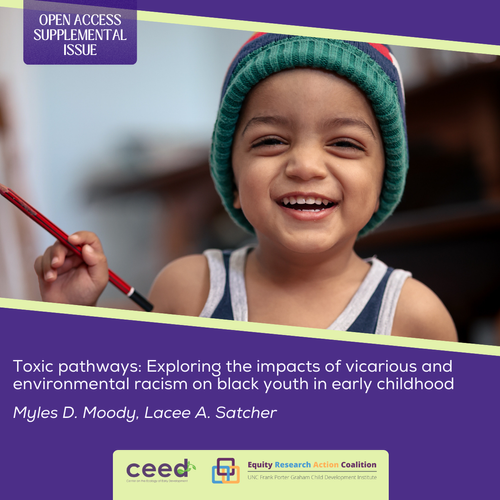
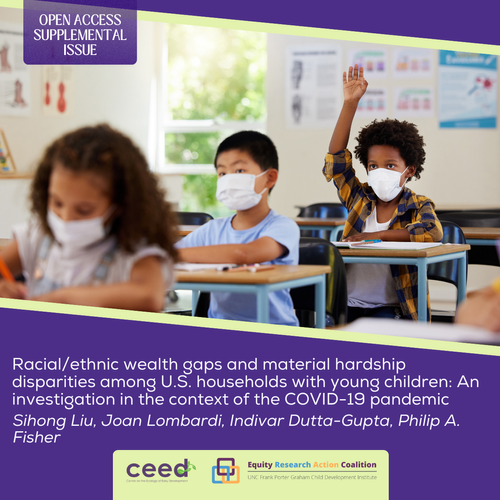
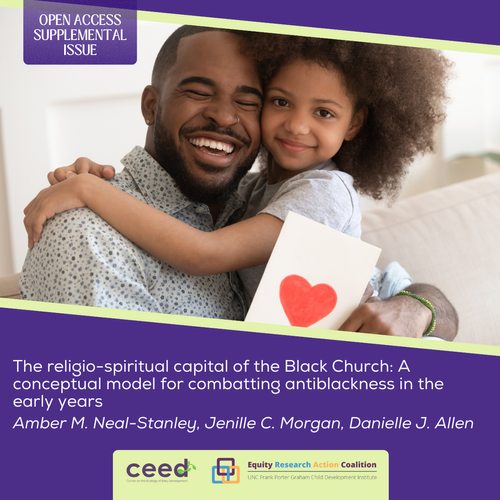
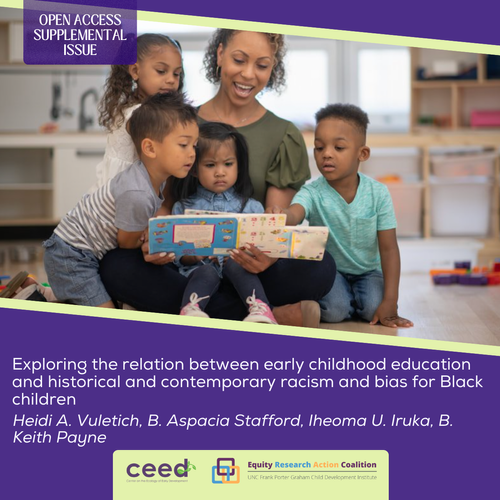
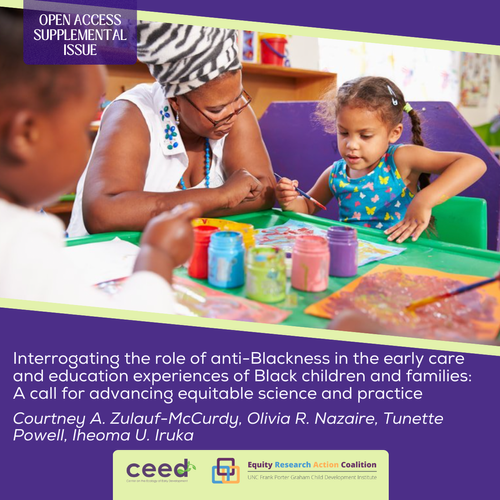
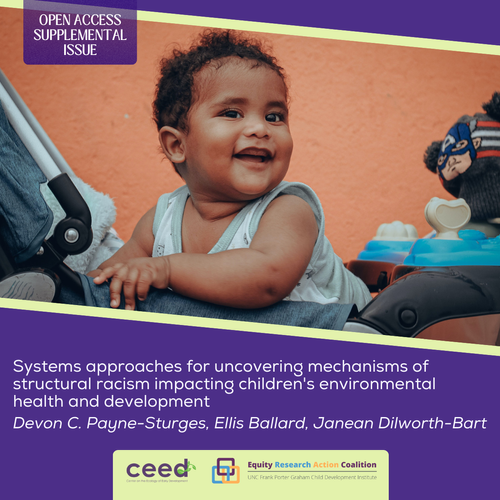
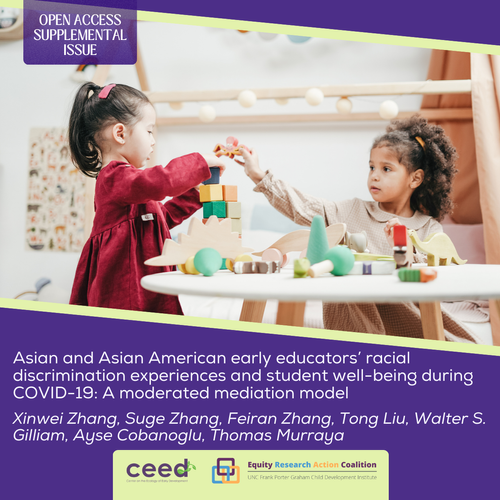
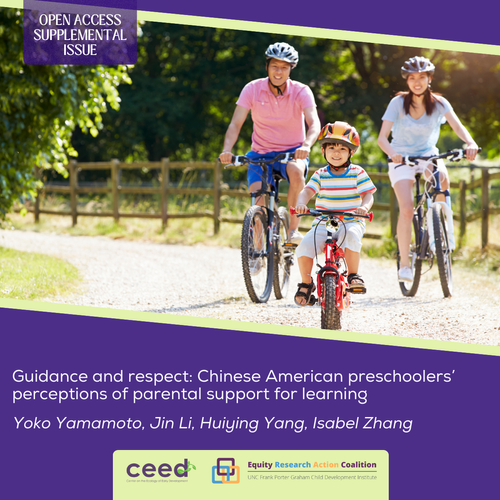
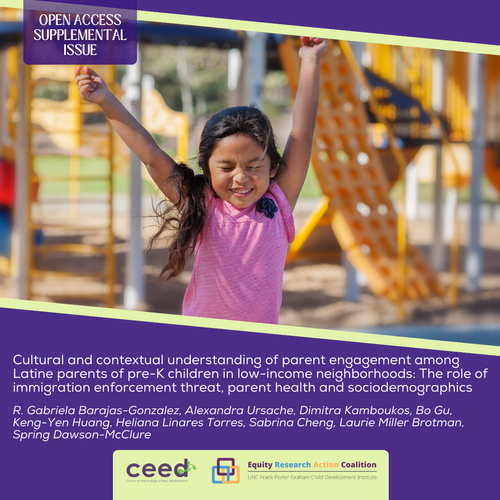
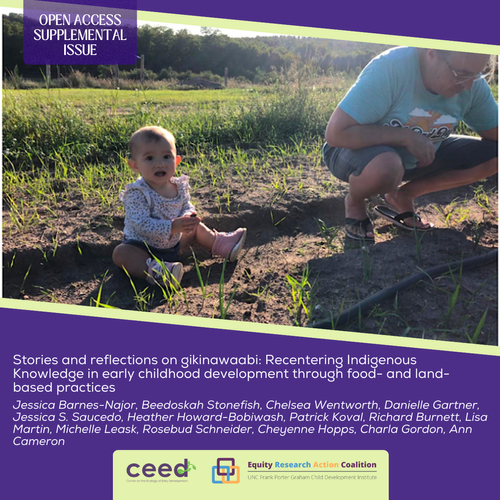
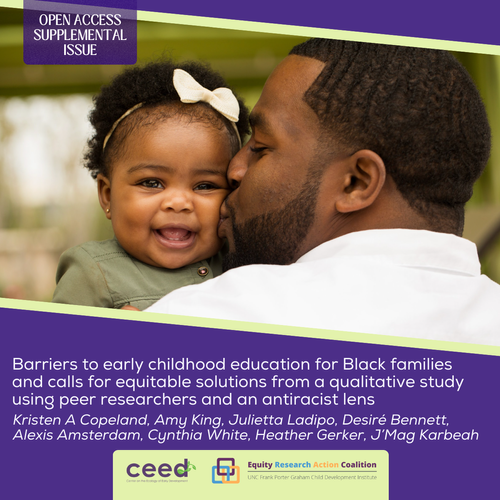
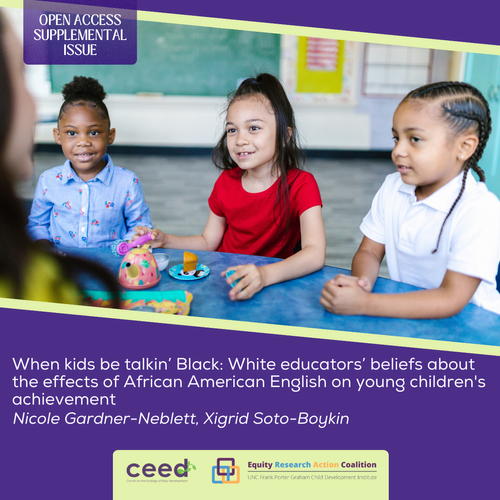
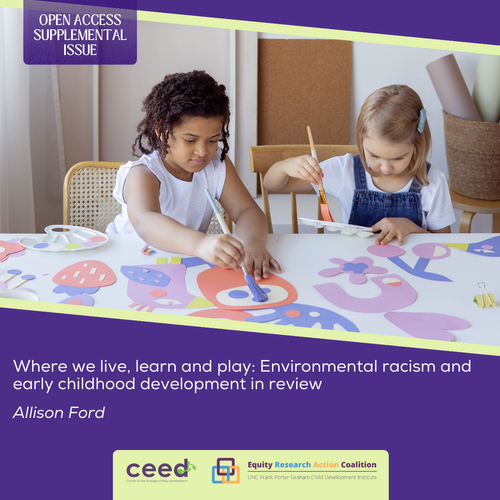
In December 2024, Early Childhood Research Quarterly (ECRQ), one of the top early childhood research journals, published a special collection of scholarly papers about the strengths, cultural assets, and tenacity of racially and linguistically minoritized children and families who thrive despite facing racial injustice throughout their daily lives. The supplemental issue, entitled “Advancing Developmental Science on the Impact of Racism in the Early Years”, expands the knowledge base on how both interpersonal and structural racism limit the health, learning, and social-economic advancement of racially and ethnically marginalized families and children. The supplemental issue also uplifts the strengths and cultural assets of these marginalized communities.
All articles in the supplemental issue are open-access, meaning they are available online here at no cost.
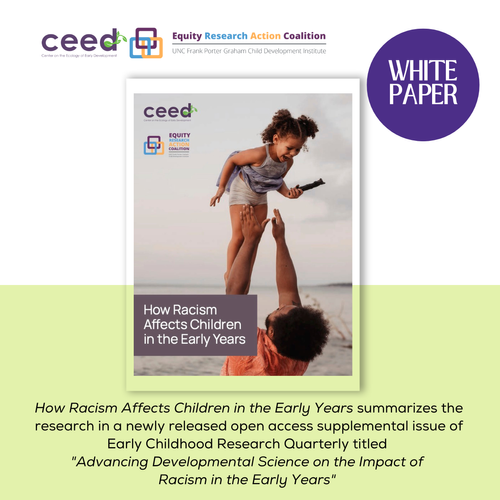
The supplemental issue is accompanied by the white paper How Racism Affects Children in the Early Years.
Please see this Social Media Toolkit for resources to help raise awareness – among researchers, policymakers, advocates, and health and education practitioners – about the effects of racism on the development of infants, toddlers, and preschoolers.
Below are images that can be downloaded for social media posts. To download the image you’d like to use in your post:
Find the image you want to use
Right click the image
Click Save image as
Save to your device
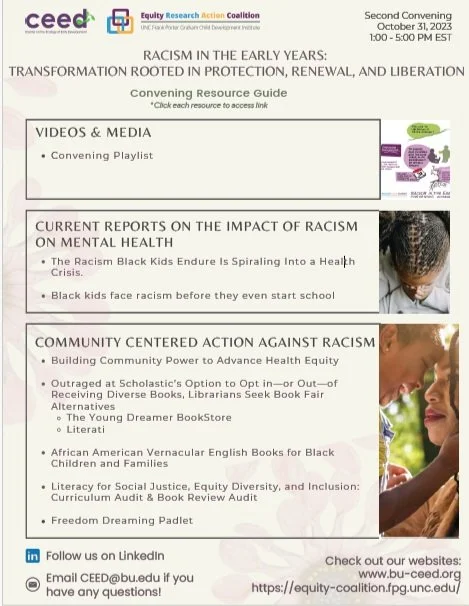
On October 31st, 2023, CEED hosted the Racism in the Early Years: Transformation Rooted in Protection, Renewal, and Liberation 2023 Convening. It was a meaningful conversation with shared learning and dreaming. Here you will find links to presentations and resources from the convening to continue these conversations.
Presentations
Talkin’ Black: White Early Childhood Educators’ Beliefs about African American English
Dr. Xigrid Soto-Boykin
Dr. Kristen Copeland and Julietta Ladip
Literacy for Social Justice, Equity Diversity, and Inclusion: Curriculum & Book Audit
Dr. Ximena Franco-Jenkins
Dr. Sihong Liu
Toxic Pathways: Vicarious and Environmental Racism on Black Youth in Early Childhood
Dr. Myles Moody and Dr. Lacee Satcher